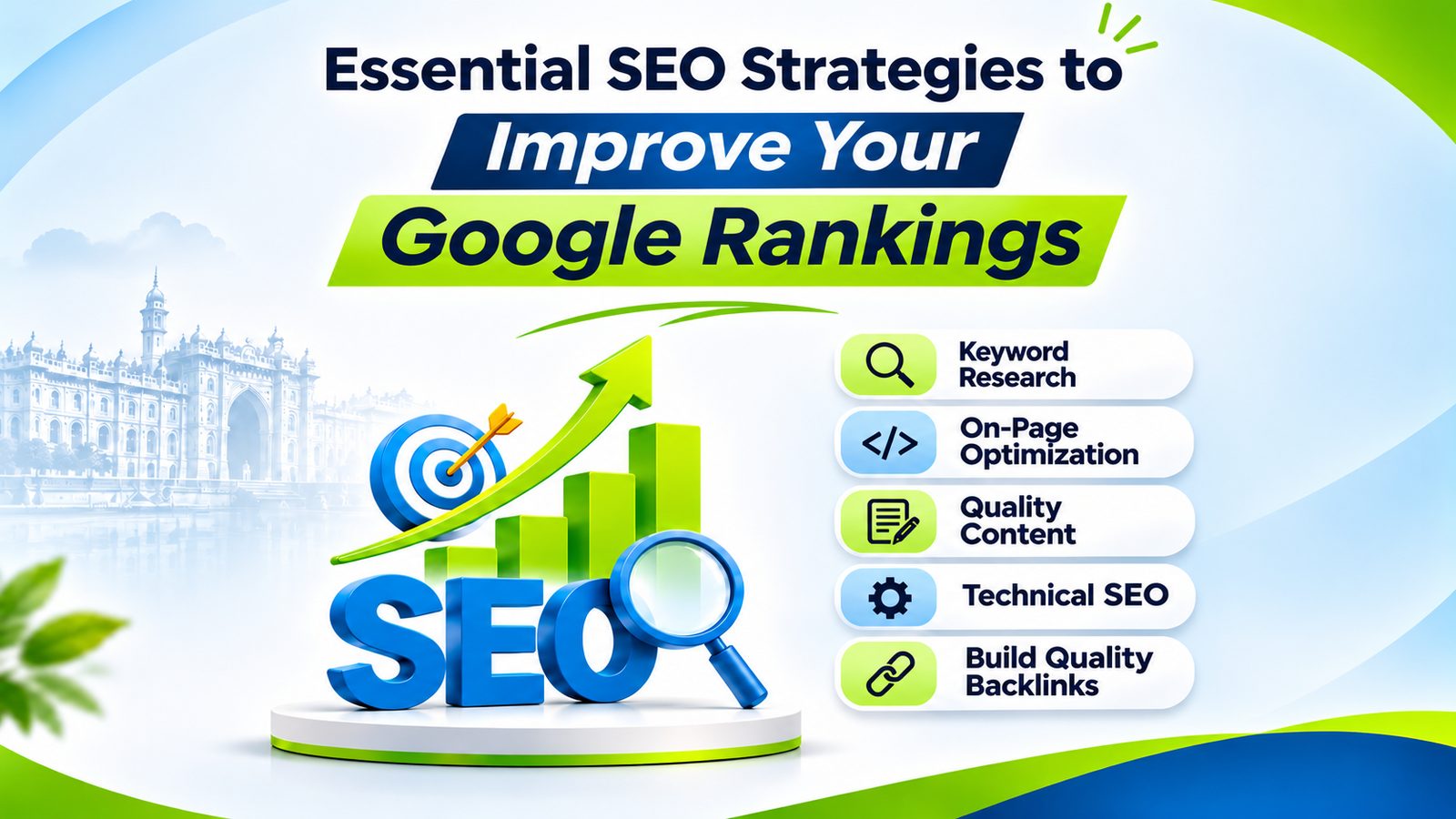
Ranking on page one of Google requires more than stuffing keywords into blog posts. This guide breaks down the essential modern SEO pillars—from search intent keyword research and Core Web Vitals to local SEO and quality backlink acquisition.
The Changing Dynamics of Google Search in 2026
Search Engine Optimization (SEO) has evolved far beyond the simplistic tactics of the past. Today's search algorithms are driven by sophisticated machine learning systems, semantic understanding, and Google's emphasis on E-E-A-T (Experience, Expertise, Authoritativeness, and Trustworthiness). Users no longer search using isolated robotic phrases; they ask nuanced, conversational questions and expect immediate, genuinely helpful answers.
If your website is struggling to secure top search visibility, relying on outdated optimization techniques is likely the culprit. To dominate search results, you must implement a structured, multi-layered SEO strategy that satisfies both algorithmic search crawlers and human visitors.
Pillar 1: Modern Keyword Research & Search Intent Mapping
Effective SEO begins with understanding what your ideal customers are actually looking for. Modern keyword research focuses on identifying search intent rather than merely chasing search volume:
- Commercial Intent: Queries like "best digital marketing agency in Ahmedabad" or "custom website development pricing" represent ready-to-buy prospects. These should map to high-converting service landing pages.
- Informational Intent: Queries like "how to improve website loading speed" or "SEO checklist for local businesses" represent researchers. These should map to detailed blog guides and case studies.
- Navigational & Local Intent: Location-specific queries indicating users searching for regional providers in Ahmedabad, Gujarat, or nearby business hubs.
By conducting thorough competitor gap analyses and targeting long-tail keyword clusters, emerging brands can capture high-converting organic traffic without battling entrenched national conglomerates for ultra-broad generic keywords.
Pillar 2: On-Page Optimization That Enhances Relevance
Once you have mapped keywords to appropriate URLs, optimize your on-page elements to establish indisputable contextual relevance:
- Optimized Title Tags and Meta Descriptions: Keep title tags under 60 characters with primary keywords placed near the beginning. Craft persuasive meta descriptions under 155 characters that inspire clicks while including secondary variations.
- Logical Heading Hierarchy (H1, H2, H3): Ensure each page features exactly one distinct H1 tag stating the primary topic, followed by logically nested H2 and H3 subheadings that make the content easy to skim for readers and search bots alike.
- Semantic Content Enrichment: Incorporate natural synonyms, related subtopics, and contextual industry terms rather than repeating the exact target keyword artificially.
- Strategic Internal Linking: Link relevant blog posts back to your core digital marketing services and projects portfolio to distribute page authority and guide visitors along their buyer journey.
Pillar 3: Technical SEO and Core Web Vitals
Even the most brilliant content will fail to rank if your website suffers from underlying technical defects. Technical SEO ensures that search engines can effortlessly crawl, render, and index your digital properties:
- Core Web Vitals Compliance: Google heavily weights user experience metrics, including Largest Contentful Paint (LCP under 2.5s), Interaction to Next Paint (INP under 200ms), and Cumulative Layout Shift (CLS under 0.1). Fast-loading pages reduce visitor bounce rates and directly correlate with higher rankings.
- Mobile-First Architecture: Google exclusively crawls websites using smartphone user-agents. Ensure your navigation, layouts, font scales, and tap targets are flawlessly responsive on screens of all sizes.
- Clean Canonicalization & Sitemaps: Maintain clean XML sitemaps registered in Google Search Console, resolve redirect chains, and enforce explicit canonical tags to prevent duplicate content confusion across HTTP/HTTPS or www/non-www variations.
- Structured Data (Schema Markup): Implement JSON-LD schema for Organizations, Local Businesses, Articles, and FAQs to earn rich snippets and expanded real estate in search engine result pages (SERPs).
Pillar 4: Dominating Local SEO for Regional Footfall
For service businesses, clinics, manufacturers, and retailers operating in Gujarat, Local SEO represents the quickest path to measurable revenue. When local buyers search for solutions near them, Google highlights the coveted Local Map 3-Pack:
- Google Business Profile (GBP) Perfection: Claim, verify, and fully optimize your profile. Select accurate primary and secondary categories, add high-resolution photos of your team and workplace, and list verified operating hours.
- NAP Consistency Across Web Directories: Ensure your Business Name, Physical Address, and Phone Number (NAP) are character-for-character identical across all online directories, social profiles, and industry portals.
- Active Review Generation Strategy: Encourage satisfied clients to leave authentic, keyword-rich Google reviews. Respond promptly and professionally to all client feedback to signal trust and active engagement to Google.
Pillar 5: Building High-Quality, Contextual Backlinks
Backlinks remain one of Google's foundational ranking signals—serving as third-party votes of confidence in your website's authority. However, quality drastically outweighs quantity:
- Earn Editorial Backlinks Through Thought Leadership: Publish original research, insightful industry guides, and practical tools that other publications naturally want to reference.
- Digital PR & Industry Features: Collaborate with local media outlets, business associations, and specialized industry publications to secure authoritative mentions.
- Avoid Toxic Link Schemes: Purchasing bulk links from automated link farms or low-quality private blog networks (PBNs) will inevitably trigger severe algorithmic penalties that destroy your organic visibility.
Measuring Your SEO Success
Effective SEO management relies on precise diagnostic tracking. Monitor your progress using Google Search Console and Google Analytics 4, focusing on organic click growth, impression expansion across primary keyword clusters, average ranking position improvements, and most importantly, organic inquiry conversions through your contact forms and telephone links.
Conclusion: SEO is a Compounding Business Asset
Unlike paid advertising, where traffic ceases the moment you pause your ad spend, search engine optimization builds durable equity that delivers qualified leads month after month. By executing a consistent strategy across keyword research, technical performance, helpful content, and authoritative backlinks, your business can claim lasting market dominance.
Ready to unlock page-one rankings for your business? Partner with the search specialists at VisionBoost Marketing to audit your website and implement a high-impact organic growth campaign.
Ready to Scale Your Digital Visibility & Inquiries?
Partner with VisionBoost Marketing for performance-driven website development, high-ranking SEO strategies, and high-ROI advertising campaigns across Ahmedabad and Gujarat.